Startups and MVP products
For quickly creating a first working iOS and Android version with a shared codebase.
We develop cross-platform iOS and Android applications with a shared codebase, modern interfaces and integration with your business systems.
For quickly creating a first working iOS and Android version with a shared codebase.
For bookings, deliveries, orders, payments, subscriptions and customer accounts.
For mobile shopping, product catalogues, promotions, notifications and loyalty programmes.
For mobile access to an existing SaaS product, user accounts, teams and business data.
For mobile management of tasks, requests, documents, schedules, inventory operations and employees.
For location, camera, photographs, signatures, work orders and reporting outside the office.
For expanding, optimising or migrating an application to a more maintainable shared codebase.
We develop the application as a complete product — from user flows and design to API backend, native integrations, testing and preparation for publication in the App Store and Google Play.
We clarify the problem, target users, core functionality and business objectives.
We define the features required for the first release and those that can be introduced later.
We create the structure, navigation and an interactive prototype of the key user scenarios.
We prepare a visual design aligned with the brand and the interface conventions of iOS and Android.
We develop or connect the API backend, user management, data, notifications, payments and external services.
We implement the shared logic and interface together with any platform-specific functionality.
We test features across devices, screen sizes, operating system versions and network conditions.
We resolve issues, improve performance and prepare the required builds and store materials.
We assist with store submission and monitor crashes and technical issues after launch.
We update dependencies, adapt the application to new platform versions and develop additional functionality.
The price is set individually after consultation. It typically depends on:
React Native is a technology for developing mobile applications where a large part of the code is shared between iOS and Android while the interface uses native platform components.
Yes. The application is installed through the App Store and Google Play and can use native functionality such as the camera, GPS, push notifications and secure local storage.
React Native shares a large part of the code between platforms. Native applications are developed separately for iOS and Android and may be preferable for highly specialised or performance-critical functionality.
Yes, for many business, commerce, SaaS and customer applications. Highly demanding graphics, games or specialised real-time processing may require a native approach or additional native modules.
Yes. A shared codebase does not require an identical interface. Navigation, components and behaviour can be adapted to each platform.
Yes. It can use the camera, image gallery, location, maps, QR and barcode scanning, biometric authentication and other supported capabilities.
Applications with user accounts, orders, payments, shared data, notifications or administration usually require an API backend.
Yes, when the system provides an API or supports the development of a suitable data exchange interface. We can connect the app with a website, CRM, ERP, online store or SaaS platform.
Some functionality can use locally stored data and synchronise later. The exact approach depends on the information and the risk of conflicting changes.
Yes. Notifications can be sent for orders, messages, tasks, promotions, deadlines and other events.
Yes, after reviewing the source code, dependencies, React Native version, backend system and current technical issues.
It is possible, but it generally requires rebuilding the interface and a significant part of the application logic. After an assessment, we determine which components and backend services can be retained.
The timeline depends on the number of screens, functionality, backend system and integrations. A smaller MVP may take several months, while a complex application is usually delivered in stages.
Yes. We provide monitoring, updates, issue resolution, dependency upgrades and development of additional functionality.
Related projects
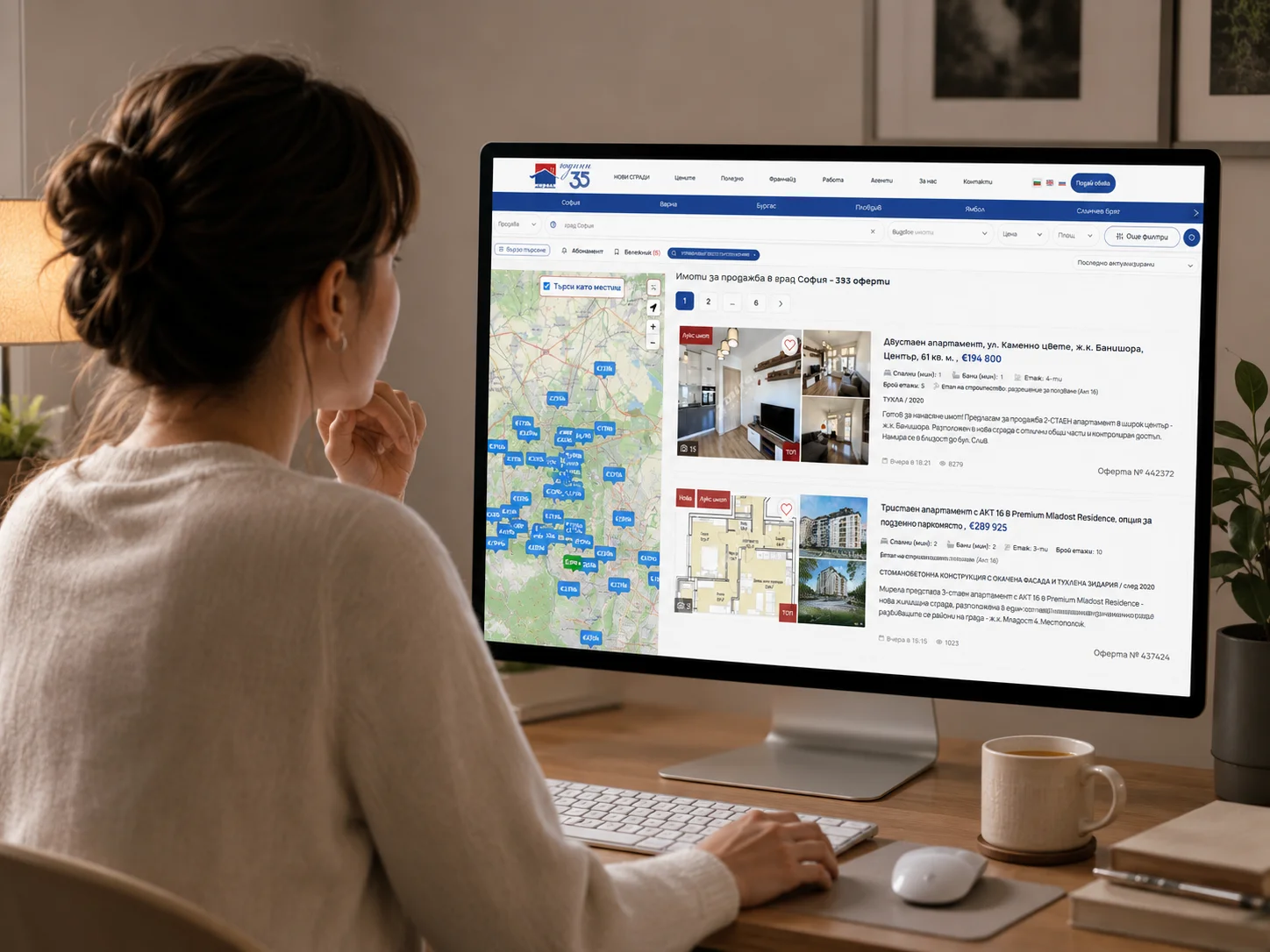
Modernizing Mirela.bg — a real estate sales and rentals platform with fast search, map browsing, SEO structure and a stable Laravel architecture.
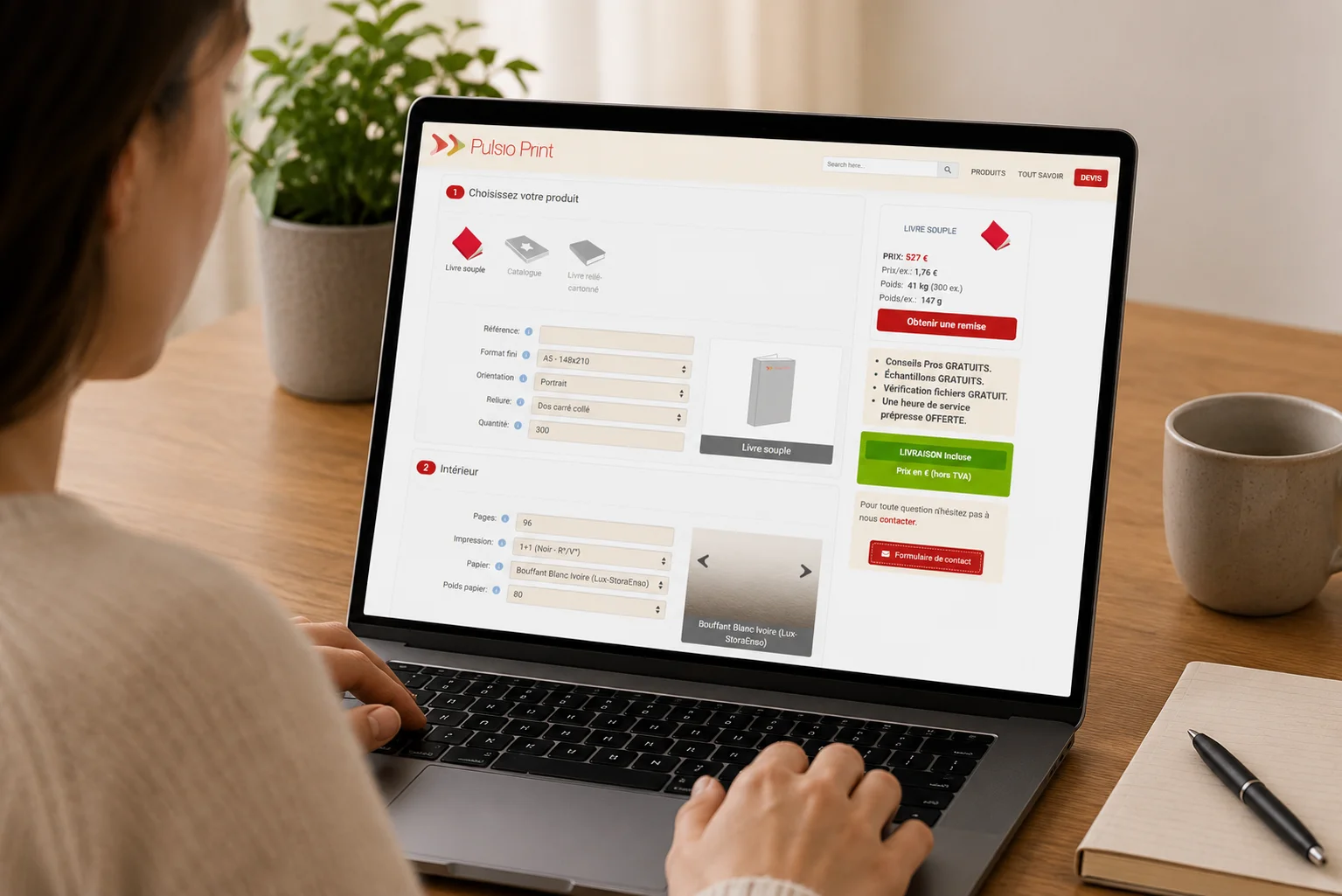
Maintenance and development of an internal Laravel ERP & CRM system and WordPress website for an international printing company.

Development and extension of Motivarto.com — an online store with an internal ERP & CRM system, automations, Econt integrations, print files and AI-generated content.
Tell us what the application should do and which native capabilities and integrations it requires. We will propose the appropriate MVP scope, architecture and React Native development plan.